
Last updated November 16, 2026
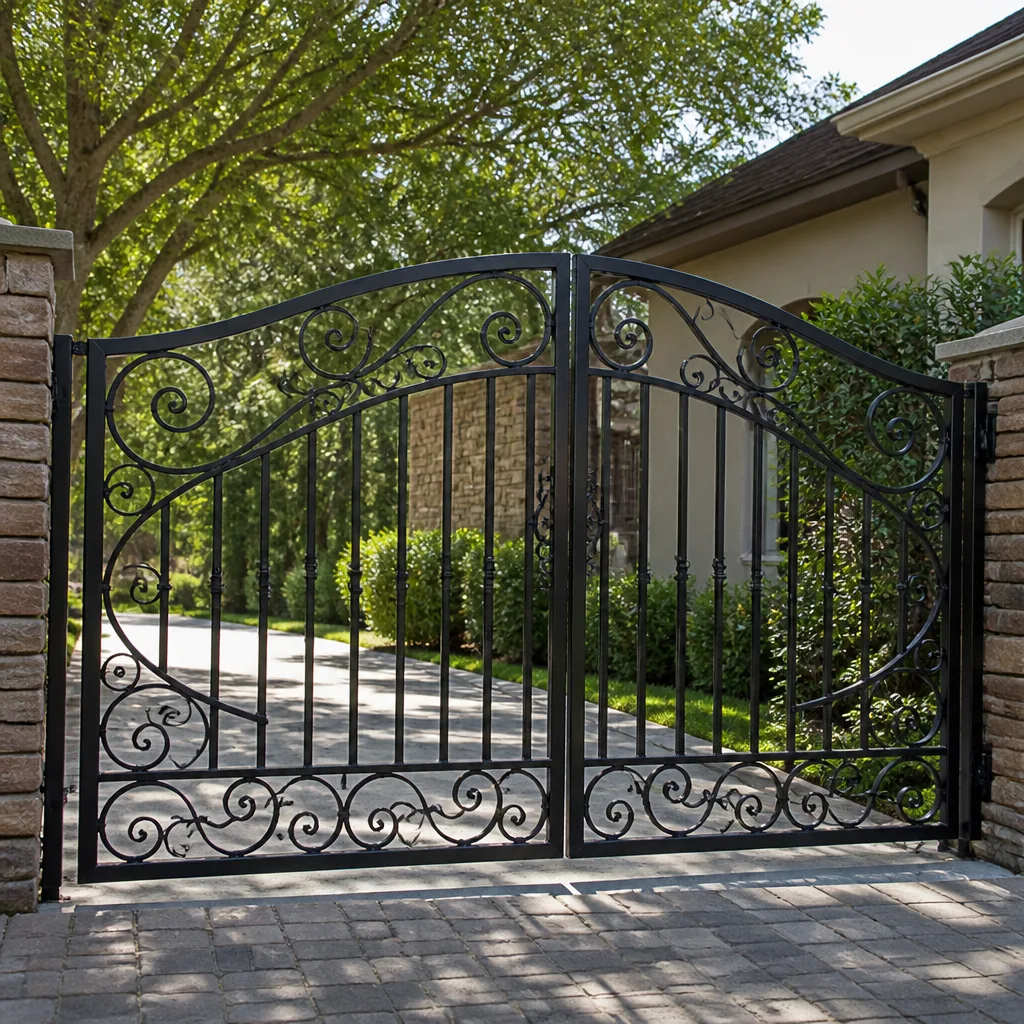 Wrought iron
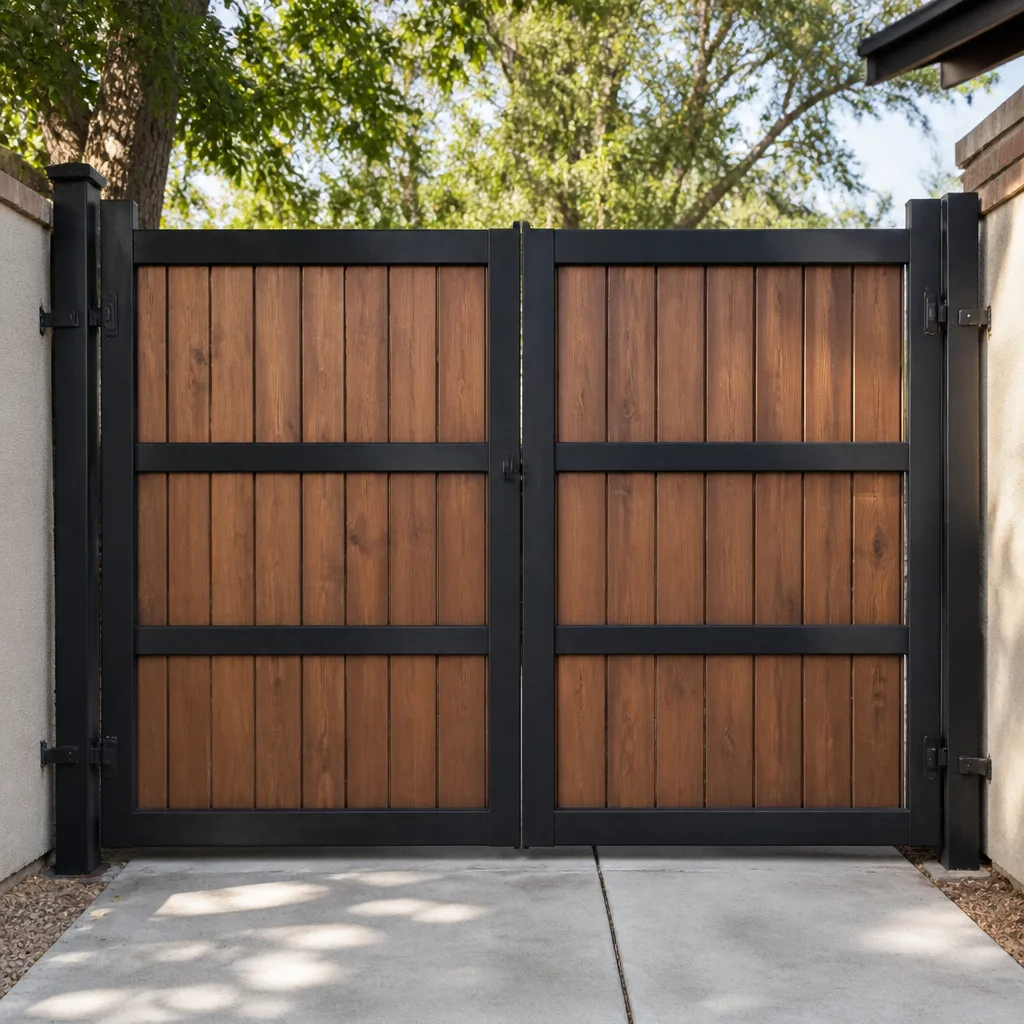 Wood & steel frame
 Farm & ranch
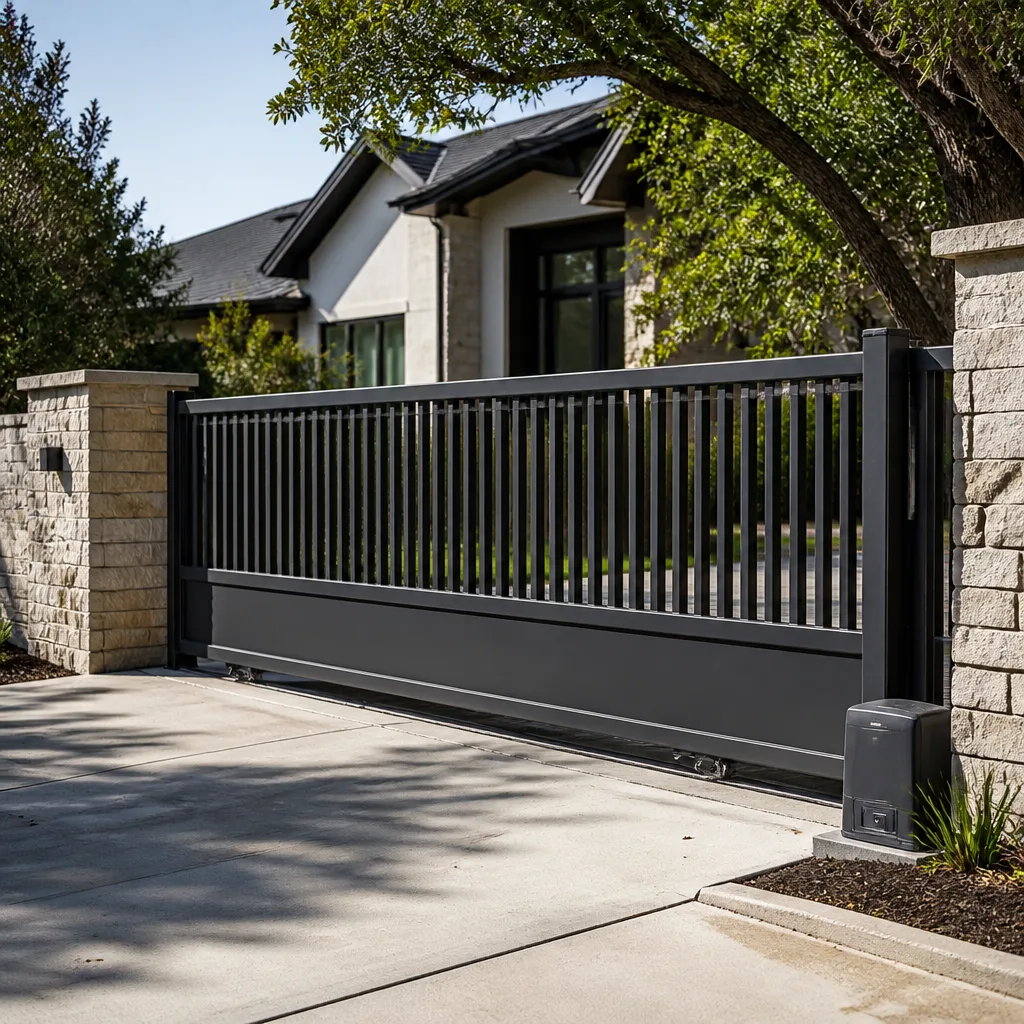 Sliding driveway gates
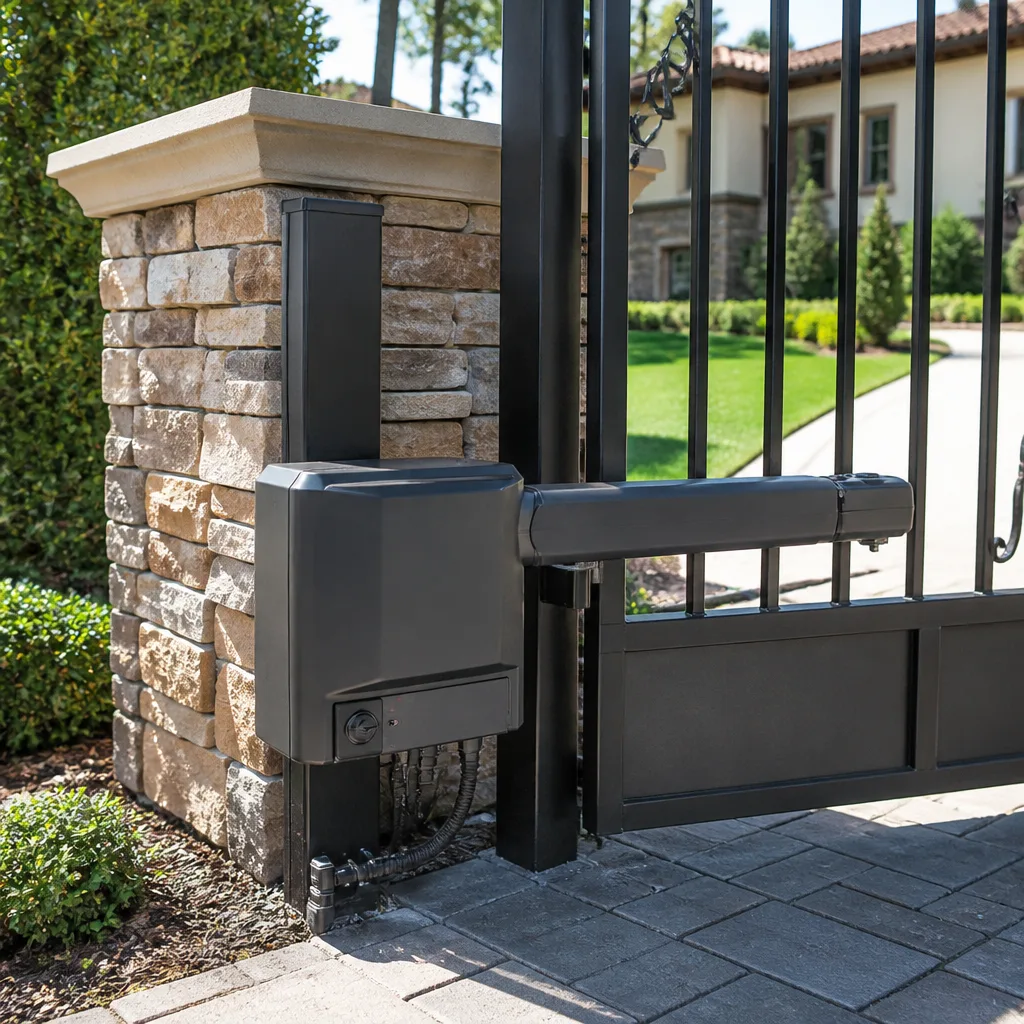 LiftMaster operators
Free on-site gate assessment - hinges, posts, and your LiftMaster or Nice gate operator checked before anything is quoted
The assessment is free and the quote is the invoice.
Get your free estimateGate Repair Permits, Codes & Inspections in Chico, CA: What You Need to Know
Most gate repairs in Chico need no permit at all. That’s the part people get wrong in the other direction. The assumption we hear is that any work on a gate is a paperwork job. It isn’t. But the opposite assumption is more dangerous: that swapping a failed operator is just “repair,” so nothing applies. In California, a motorized gate is a piece of safety equipment governed by a standard called UL 325, and the moment you change the operator or the way the gate moves, entrapment protection enters the picture. This guide covers what actually triggers a permit in Chico, when a fix is a fix, what an inspection checks, and how to clean up a gate that was installed without one.
Quick Answer
In Chico, a like-for-like gate repair – replacing a hinge, a roller, a latch, a board, a photo-eye – typically needs no building permit. A new gate installation, a structural change to a gate or its posts, or a change to the operator and its entrapment protection usually does. Because any motorized gate in California falls under UL 325, and a Chico-area HOA can layer its own rules on top, the safe path is to call the city’s building department before the work starts and get the answer for your specific gate in writing.
Styles & brands we work with
- Wrought iron
- Wood & steel frame
- Farm & ranch
- Sliding driveway gates
- LiftMaster operators
Table of Contents
- Repair vs. Installation: Where the Line Sits
- What UL 325 Actually Requires on a Motorized Gate
- City of Chico Permit Thresholds
- HOA and CC&R Overlay in Chico-Area Developments
- What a Code-Compliant Gate Inspection Checks
- Why This Matters at Resale Disclosure
- How to Bring an Unpermitted Gate Into Compliance
Repair vs. Installation: Where the Line Sits
The word “repair” is doing a lot of work in gate conversations. A gate that gets a new hinge is repaired. A gate that gets a new operator, new posts, or a different swing or slide path has been changed. That distinction is the whole game in Chico. A city building department cares about whether you altered the structure or the safety system, not whether the call was billed as a repair.
Here’s how we explain it to homeowners:
- Like-for-like repair: the same part, same function, same position. A worn roller replaced with an equivalent roller. A failed control board swapped for the same model family. A photo-eye replaced with a matched unit. No structural or safety change.
- Alteration: anything that changes how the gate moves, how much it weighs, where it stops, or what protects it. A heavier panel. A longer arm. A different operator class. New or relocated safety edges.
- Installation: a gate that didn’t exist, a gate moved to a new opening, new posts poured, a new operator on an existing gate, or a manual gate converted to automatic.
That third category is where permits live. A manual gate getting a motor is a new motorized gate in the eyes of the code, and it’s also the most common project we see in Chico that people assume is a “small job.” It isn’t small from a compliance standpoint. Our electric gate repair page digs into the electrical side of that conversion.
One more Chico-specific wrinkle: the local climate. Mild winters and hot, dry summers are easy on steel but hard on the wood and composite panels many driveway gates here use. Sun and dry heat cause panels to warp and hollow, and a lighter or more flexible panel changes the gate’s load profile. If a repair involves swapping a panel for a different material, ask whether the change is cosmetic or structural. It’s often the latter.
What UL 325 Actually Requires on a Motorized Gate
UL 325 is the safety standard for gate operators, and in California it applies to any motorized gate. In plain terms, it requires two things: an operator designed with entrapment protection, and a means of detecting an obstruction in the gate’s path. Both matter physically, not just on paper.
What that means on an actual gate:
- Primary protection built into the operator itself – typically a slip clutch, a reversing sensor, or an inherent force limit that backs off when the gate meets resistance.
- Secondary protection at the moving edge – photo-eyes across the opening, a safety edge strip on the leading edge of the panel, or a combination.
- Directional logic – the operator must recognize which direction the gate is traveling so it reverses correctly rather than pushing through.
- Placement that works – a photo-eye mounted too high misses a child. A safety edge that has gone stiff won’t trip. Both count as failure even if the parts are present.
The reason this matters for permits is direct. If you install or change an operator without the correct entrapment protection, the gate isn’t compliant with US 325, and a homeowner whose gate injures someone is exposed. We aren’t lawyers and we don’t give insurance advice, but we’ve seen enough gates running with a dead photo-eye and a bypassed safety edge to say plainly: the operator is not the whole system.
This is the layer where brand matters. A DoorKing on a commercial lot and a Gate Repair Chico -tuned residential LiftMaster behave differently, and the entrapment logic on a commercial operator is often more configurable than on a homeowner-installed unit. Our technicians have up to 9 years of experience and work with the full spread, from a Mighty Mule on a driveway to commercial-grade equipment.
City of Chico Permit Thresholds
The City of Chico Building Department is the authority on whether your specific project needs a permit, and you should take their word over ours or anyone else’s. What we can do is give you the framework so you ask the right question.
Permits are typically not required for:
- A like-for-like part replacement that doesn’t change the gate’s function or its safety system.
- Cosmetic work – repainting, touch-up, replacement of a decorative panel with the same weight and dimensions.
- Adjustment of an existing operator that’s already compliant.
Permits are typically required for:
- A new gate installation, including a gate on a new opening.
- New posts, a footing change, or a structural change to an existing post or hinge.
- Installation of a new operator, or conversion of a manual gate to an automatic one.
- Any change to entrapment protection devices when they are part of the operator installation.
Keep in mind that “permit required” doesn’t mean “difficult.” It means the work needs to be scoped correctly, inspected, and documented. It also means a licensed professional is the right call, because the inspection is real. We can’t tell you what the city will decide for your gate, and no gate contractor should pretend otherwise. Call the building department before you buy the operator.
If you want to understand how we scope a Chico project before the paperwork conversation, our Chico service page lays out the local work.
HOA and CC&R Overlay in Chico-Area Developments
A city permit answers the building department’s question. It doesn’t answer your HOA’s. In a lot of Chico-area developments, the CC&Rs impose rules that run independently of the city code, and an HOA can reject a gate the city approved without a second thought.
What to check before you buy or build:
- Gate color and finish. Many CC&Rs fix a specific finish on street-facing gates and on any hardscape visible from the road.
- Height and visibility. Some developments cap gate height or require open pickets rather than solid privacy panels.
- Style and design. A modern rail design may not be permitted in a neighborhood that standardized on iron and stucco.
- Noise. A slide gate operator can produce a hum the CC&Rs address. A swing gate with a screwdrive operator sounds different.
- Setbacks and sight lines. A gate that blocks a driver’s line of sight at a common-area exit may fail the HOA’s review even if it’s structurally fine.
The practical advice: get your HOA’s architectural review approval in hand before any permit application, and find out whether the HOA wants a specific brand or finish for consistency. Being on the third list before you have the answer to the first two is a waste of everyone’s time.
What a Code-Compliant Gate Inspection Checks
An inspection for a code-compliant motorized gate focuses on the safety system and the physical installation. It is not a general handyman walk-through. If your gate is being permitted, the following are the areas we expect to be examined.
- Operator and entrapment protection match the site. The devices are present, correctly placed, and wired to the operator. Photo-eyes at the opening, safety edges on the moving panel.
- Force and reversal behavior. The operator reverses when it meets an object. An underpowered or over-torqued operator fails this test.
- Post and footing integrity. Posts go to proper footing depth for the gate and soil, and show no movement, rot or cracking. A sagging post makes a gate fail inspection regardless of the operator.
- Gate travel and track. A slide gate runs true on its track. A swing gate opens and closes fully without binding. Rollers and hinges are intact.
- Electrical and power. The circuit serving the operator is correctly installed and protected, and the wiring is dressed. This is where a lot of DIY conversions get caught.
- Signage and warnings. The correct warning labels on the gate and operator, and controls placed where they can’t be reached through the gate.
The electrical and safety-edge items are the two most common points of failure we come across. If a gate was converted to automatic without an electrician involved, those are the first things we check.
Why This Matters at Resale Disclosure
In California, a seller is required to disclose material facts about the property, including any unpermitted work the seller knows about. A motorized gate with an operator installed without a permit, or with entrapment protection that doesn’t work, is exactly the kind of item that surfaces in a disclosure – and a buyer’s inspection often finds it before the seller gets a chance to mention it.
What that means in practice:
- Disclose, don’t conceal. If the gate was installed without a permit, a buyer will find it. Better to have the paperwork sorted before you list.
- Document the repair history. A record of a compliant operator and service history makes the gate a selling point rather than a negotiation item.
- Fix the safety system, not just the motor. A gate that runs but has no working photo-eye is a problem for the seller, not a detail for the buyer to sort out.
- Plan the permit timeline. Getting a retroactive permit and inspection takes weeks, not days. A Chico listing that goes live before the permit issue is closed may lose a buyer’s confidence at the wrong moment.
We aren’t in the business of giving legal or real estate advice, so treat this as context rather than a substitute for talking to your agent and the city. What we can tell you is that a compliant gate is cheaper to sell than an unpermitted one.
How to Bring an Unpermitted Gate Into Compliance
An unpermitted gate is fixable, and usually without tearing it out. Here’s the sequence we walk Chico homeowners and property managers through, step by step.
- Document what’s actually there. Photos of the gate, the operator, the entrapment devices, the posts and the electrical feed. Get the operator model and serial number if it’s legible.
- Call the City of Chico Building Department. Explain that you have an existing motorized gate and want to know how the city wants it permitted. Some jurisdictions handle this as a retroactive permit, others want a fresh inspection and some corrective work. Get the answer specific to your address.
- Have the gate inspected for safety. An independent look at the entrapment protection, the force settings, the posts and the power run tells you what corrective work – if any – is required before the city sees it.
- Do the corrective work. The usual list: replace dead photo-eyes, install or repair a safety edge, correct a bypassed safety circuit, adjust a slipping clutch, re-dress the wiring, and confirm the operator is capable of compliance at the current gate weight.
- Submit the permit and inspection. With the corrective work complete, apply for the permit and schedule the inspection. Keep the documentation with the property’s records.
Our gate-only focus matters in this process. We aren’t a general contractor guessing at the operator. When we look at a Linear or a Viking on a Chico driveway, we’re looking at the control board and the safety circuit, not treating the gate as a fence with a motor on it. If you want a second opinion before you call the city, our gate repair team can look at it with fresh eyes and give you a written scope.
Safety note: the operator, its electrical supply, and the safety edges are the dangerous parts. We don’t recommend removing a safety edge, bypassing a photo-eye, or opening an operator enclosure for a homeowner doing a compliance project. That work should go to a trained electrician or gate technician.
Common Mistakes to Avoid
- Assuming a new operator is “just a repair.” A new operator is a safety-system change. If the model or class changes, or the entrapment protection has to match the new operator, treat it as a permit item and call the city.
- Buying the operator before the permit conversation. The right operator depends on gate weight, travel, and what entrapment protection the site supports. Buying first often locks you into a device the city won’t accept, or one that’s the wrong class for a heavy Chico driveway gate.
- Skipping the HOA review. Chico-area CC&Rs can block a gate the city approved. Approval from one authority is not approval from the other.
- Replacing a photo-eye with a mismatched part. A random replacement eye can fail to talk to the operator, or trip at the wrong point. Use the matched device for the brand.
- Treating a sagging post as a cosmetic issue. A post that has moved or rotted affects gate alignment, and alignment affects safety. A gate that can’t close cleanly is a compliance problem, not just a latch problem.
- Ignoring an operator you can’t identify. Before anything else, get the brand and model off the operator. A Ghost Controls unit and a DoorKing on a commercial property have entirely different service requirements and compliance routes.
- Putting off the disclosure. If you’re selling, find out what the gate’s permit history is before your buyer’s inspector does.
See the difference
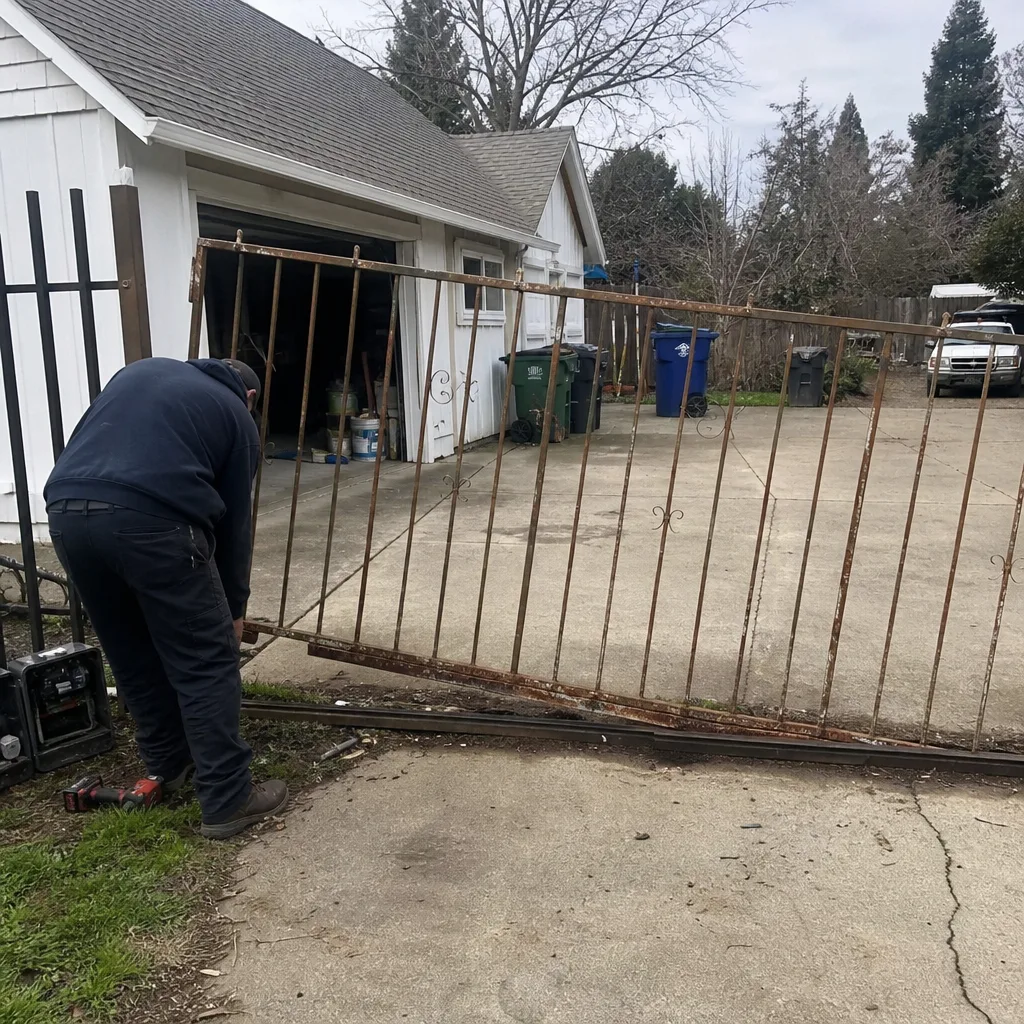 Before
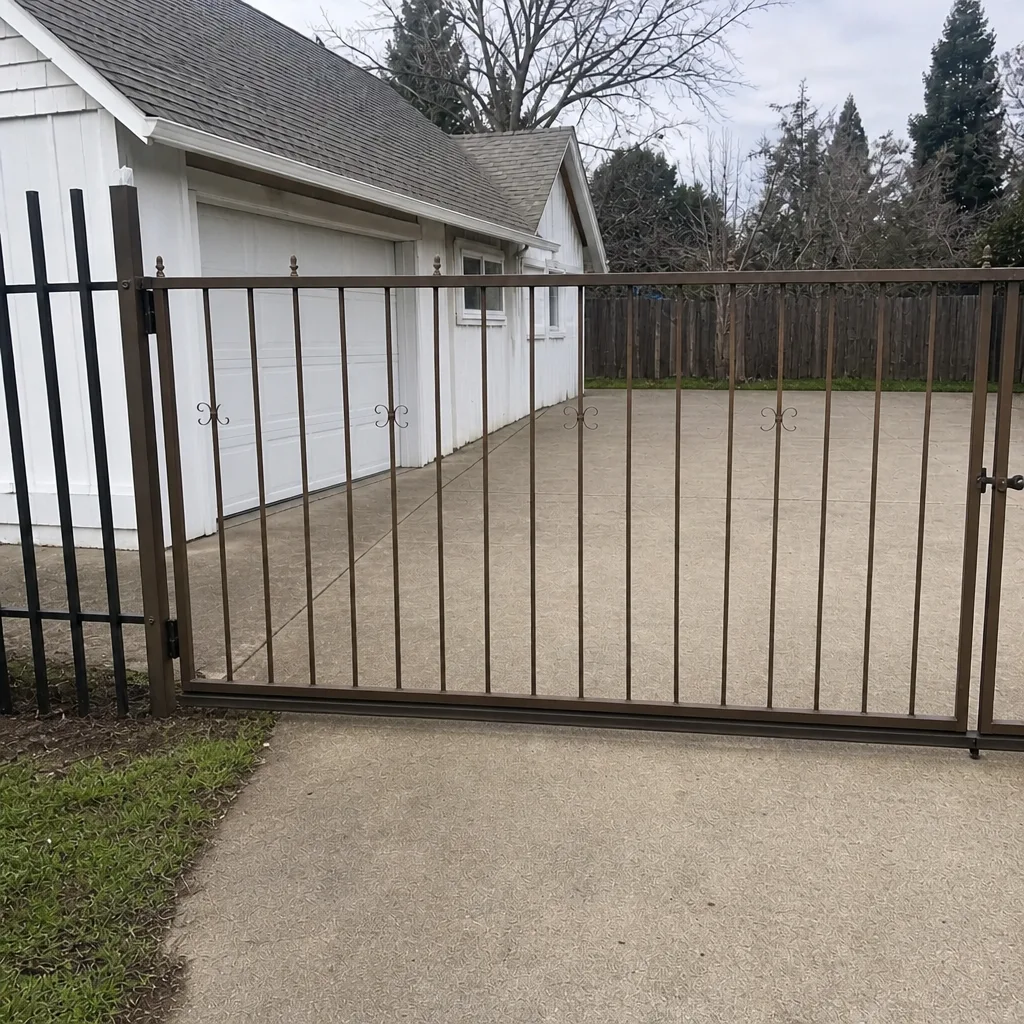 After
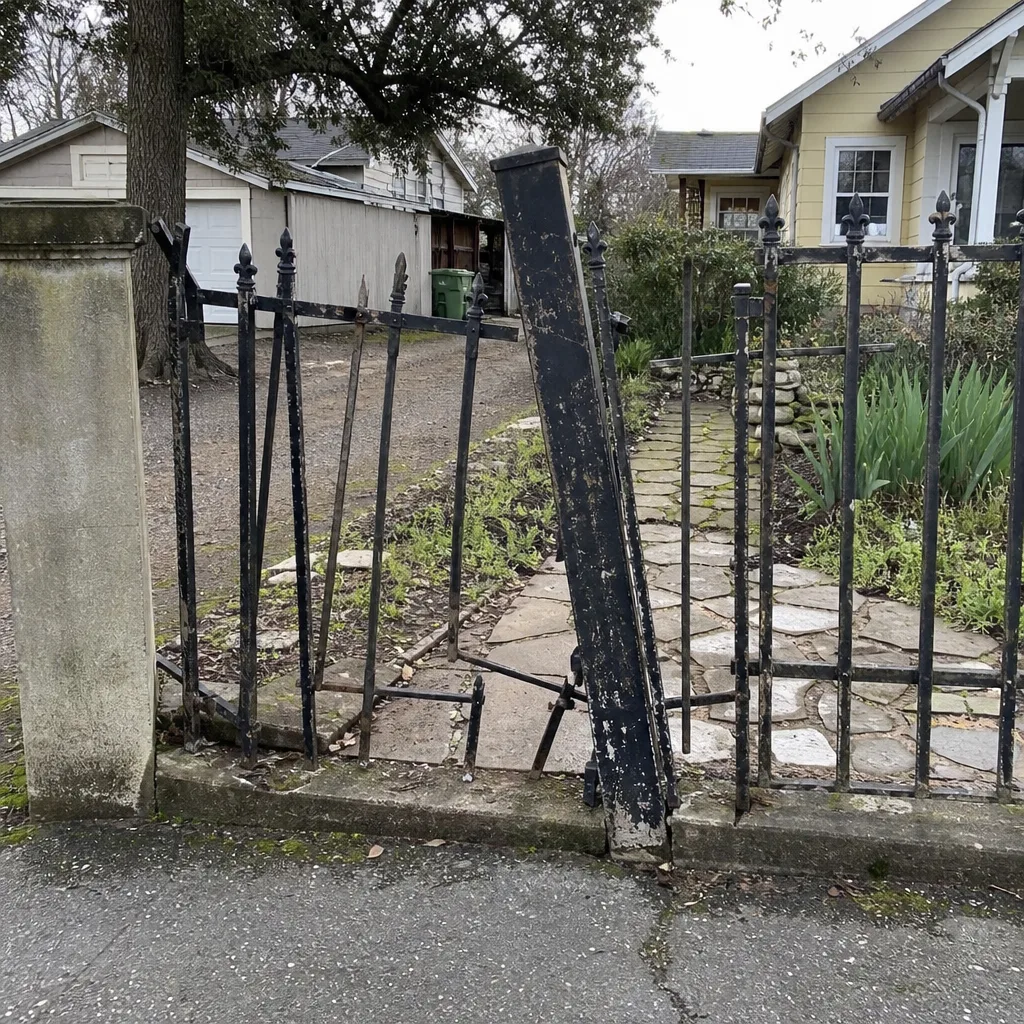 Before
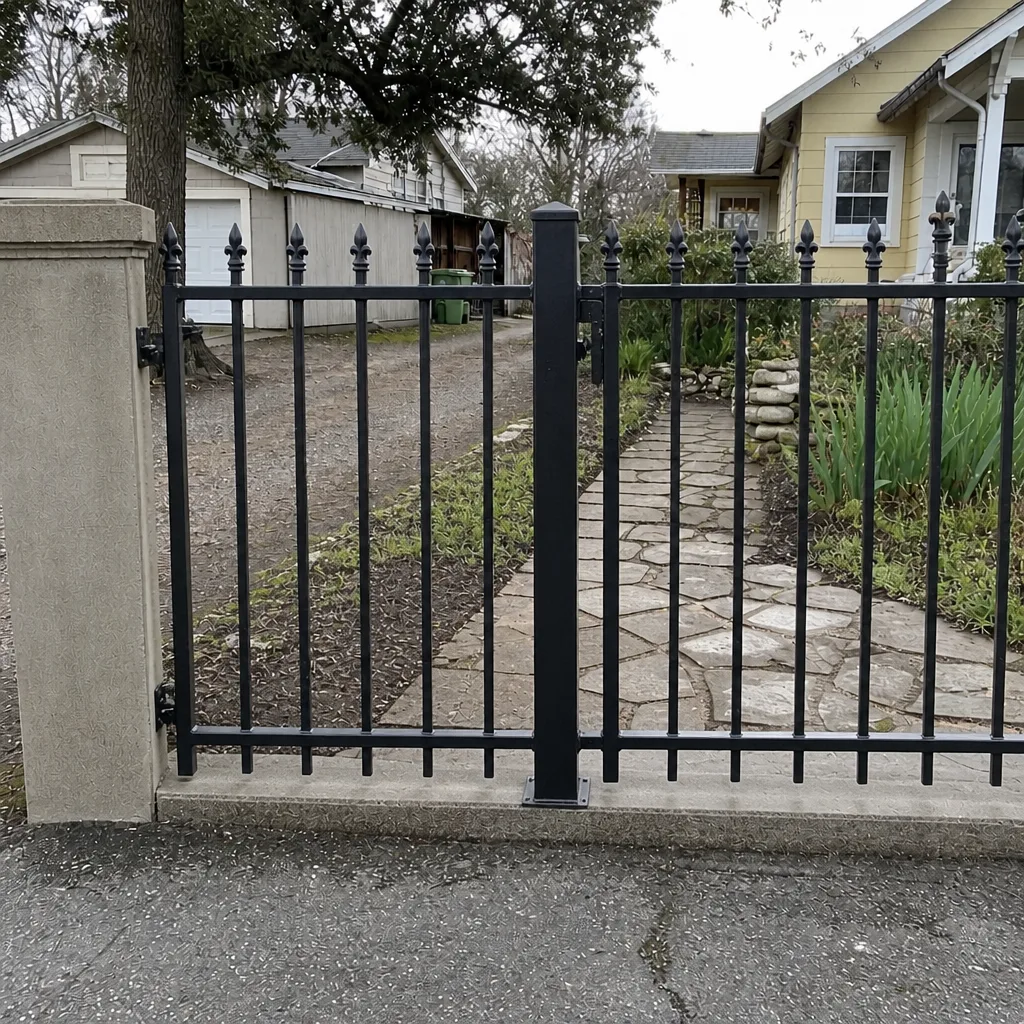 After
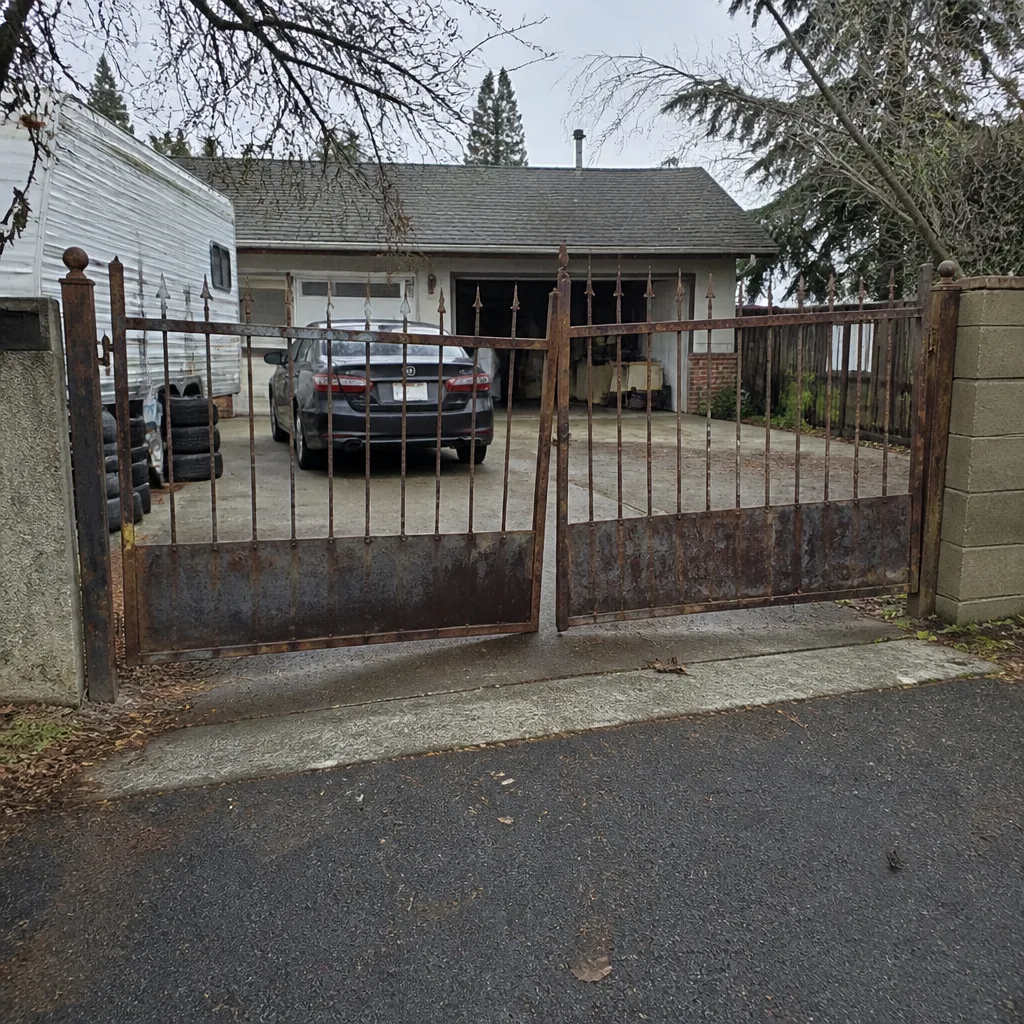 Before
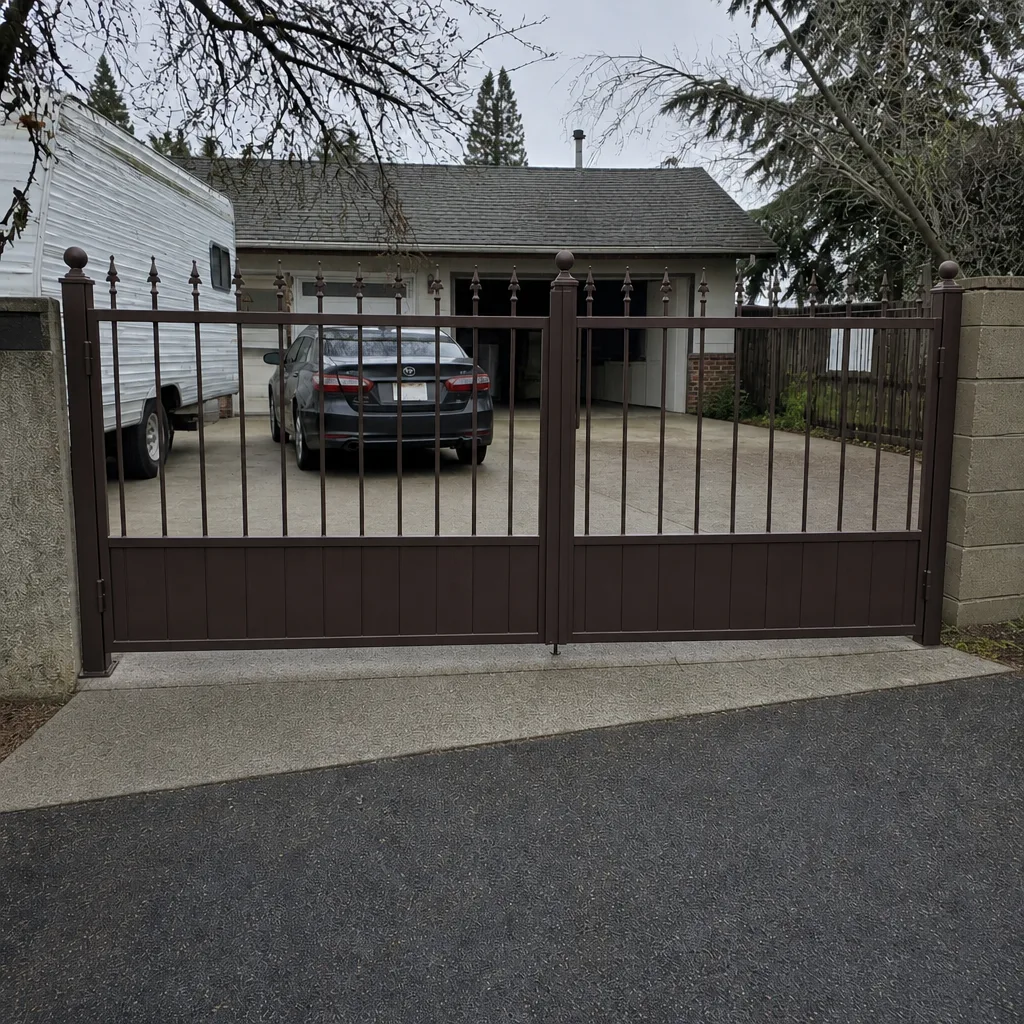 After
When to Call a Professional
Call a professional when the work touches the operator, the safety edges, the photo-eyes, the electrical supply, or the structural posts. Those are the parts where an error is either dangerous or a compliance failure. The same is true when the gate is already running but you can’t confirm it has ever been inspected, or when an HOA has rejected a design and you need an independent read on the gate itself. And call when you’re converting a manual gate to an automatic one. That last one is a safety-system installation wearing the costume of a weekend project. Gate Repair Chico offers free estimates in Chico – call (866) 369-2364. We answer 24/7, with fast dispatch from 7am to 7pm, Sunday through Friday.
Frequently Asked Questions
Usually not, if the work is a like-for-like part replacement that doesn’t change the gate’s structure or its safety system. A new operator, a new gate, or a change to the entrapment protection is a different matter, and that’s when the City of Chico Building Department should be consulted. Call (866) 369-2364 if you’re unsure which category your repair falls into.
Yes. Any motorized gate in California falls under UL 325, so a new operator has to be paired with correct entrapment protection – photo-eyes, a safety edge, or both, along with an operator that reverses on obstruction. The devices need to be present, placed correctly, and working. Call (866) 369-2364 for a free estimate on bringing an operator and its safety devices up to standard.
Yes. HOA CC&Rs are separate from city code, and an association can reject a gate’s finish, height, style or sight lines even if the building department approved the permit. Get the HOA’s architectural approval before applying for the permit. Call (866) 369-2364 if you want an independent read on the gate design itself.
An inspection focuses on the operator, its entrapment protection, force and reversal behavior, the posts and footings, the track and travel, the electrical supply, and the required warning signage. It’s a safety-system review, not a cosmetic one. Call (866) 369-2364 for an independent assessment before the city inspection.
Usually yes. The corrective work is typically photo-eyes, a safety edge, a repair to a bypassed safety circuit, a clutch adjustment, or a corrected power run – not a full replacement. The City of Chico Building Department decides how the permit and inspection are handled for an existing gate. Call (866) 369-2364 and we’ll walk you through the corrective scope first.
California requires sellers to disclose material facts about the property, and unpermitted work is one of them. A gate with no permit, or with an entrapment protection system that doesn’t work, can become a negotiating item or a late-stage problem in a sale. Call (866) 369-2364 if you want the gate’s compliance status checked before you list.
The Bottom Line
Gate repair in Chico mostly doesn’t need a permit. Gate installation, operator replacement and safety-system changes usually do, because any motorized gate in California falls under UL 325. Before you buy an operator, call the City of Chico Building Department and get the answer for your specific gate. Check your HOA’s CC&Rs separately. If the gate was installed without a permit, the fix is usually corrective work on the safety devices and the power run rather than a full rebuild. And if you sell, sort the paperwork before the buyer’s inspector does.
Gate Repair Chico is a gate-only specialist. We work on LiftMaster, FAAC, BFT, Linear, Viking, Ghost Controls, DoorKing, Elite and Mighty Mule equipment, and our technicians have up to 9 years of experience. Call (866) 369-2364 for a free estimate. We answer 24/7, with fast dispatch from 7am to 7pm, Sunday through Friday.
Written by the team at Gate Repair Chico.